
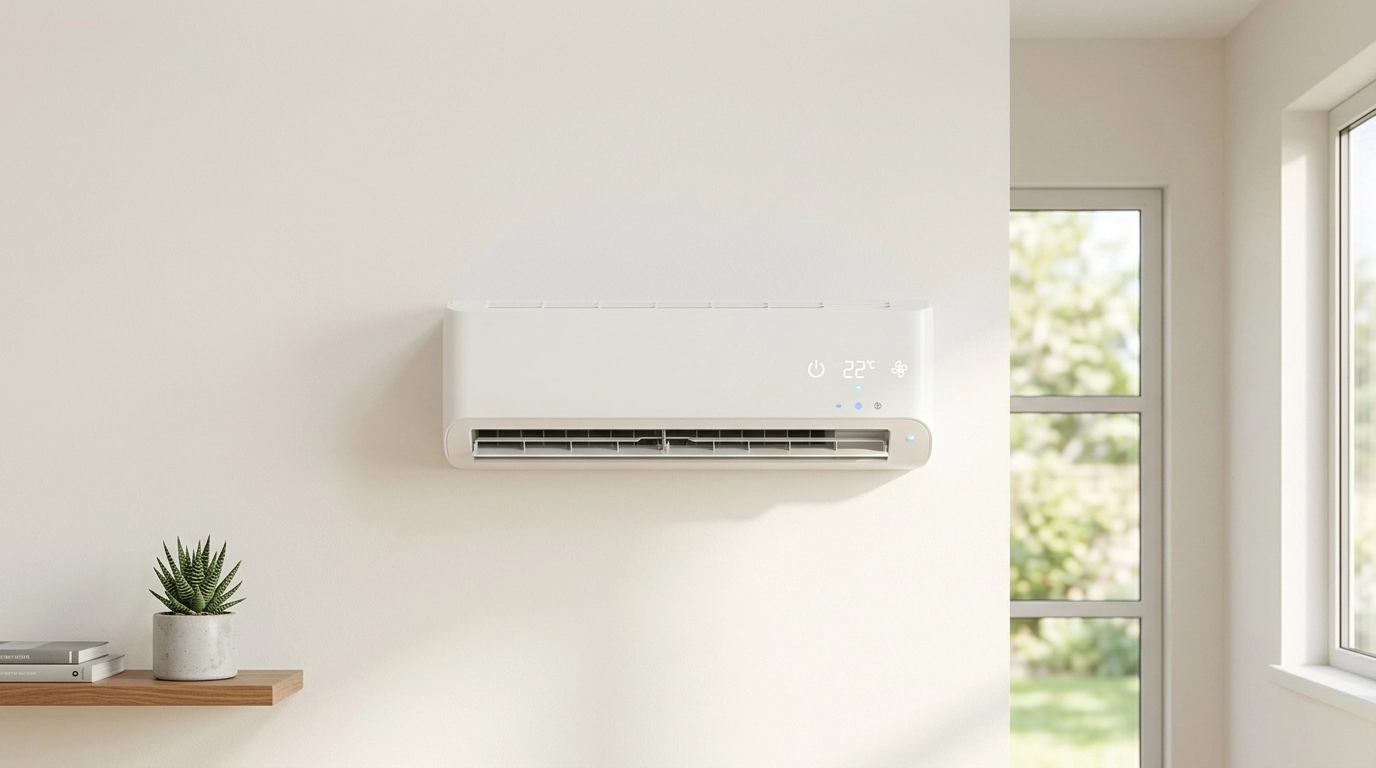
As the UK experiences increasingly warm summers, air conditioning is no longer seen as a luxury reserved for office blocks and shopping centres. More homeowners than ever are investing in climate control to keep their bedrooms cool and their home offices productive. However, owning an AC system is only half the battle. To keep it running efficiently, you need to avoid the common pitfalls that lead to high energy bills and premature system failure.
At C & D Heating and Cooling Services Ltd, we’ve seen everything from dust-clogged filters to units that are simply the wrong size for the room. Proper air conditioning service and maintenance are vital for ensuring your comfort and protecting your investment.
Here are the seven most common mistakes homeowners make with their air conditioning and, more importantly, how you can avoid them.
1. Skipping Your Annual Air Conditioning Service
The single biggest mistake you can make is assuming that because your unit is working today, it doesn’t need professional attention. An air conditioning system is a complex piece of machinery, much like a car or a central heating boiler. You wouldn’t drive your car for years without an MOT or a service, and your AC unit should be treated with the same care.
An annual air conditioning service ensures that every component is checked, cleaned, and tested. During a professional visit, an engineer will:
- Check refrigerant levels to ensure there are no leaks.
- Clean the evaporator and condenser coils to maintain heat exchange efficiency.
- Inspect electrical connections for safety.
- Clear out condensate drains to prevent water damage or mould growth.
Without this yearly check-up, minor issues can quickly snowball into expensive repairs. Furthermore, most manufacturer warranties are only valid if you can prove the system has been regularly maintained by a qualified professional.
2. Choosing the Wrong Size During AC Unit Installation
When it comes to cooling your home, bigger isn’t always better. A common error occurs right at the start: the ac unit installation phase. Many people assume that a larger, more powerful unit will cool a room faster. In reality, an oversized unit will “short cycle,” meaning it turns on and off too frequently.
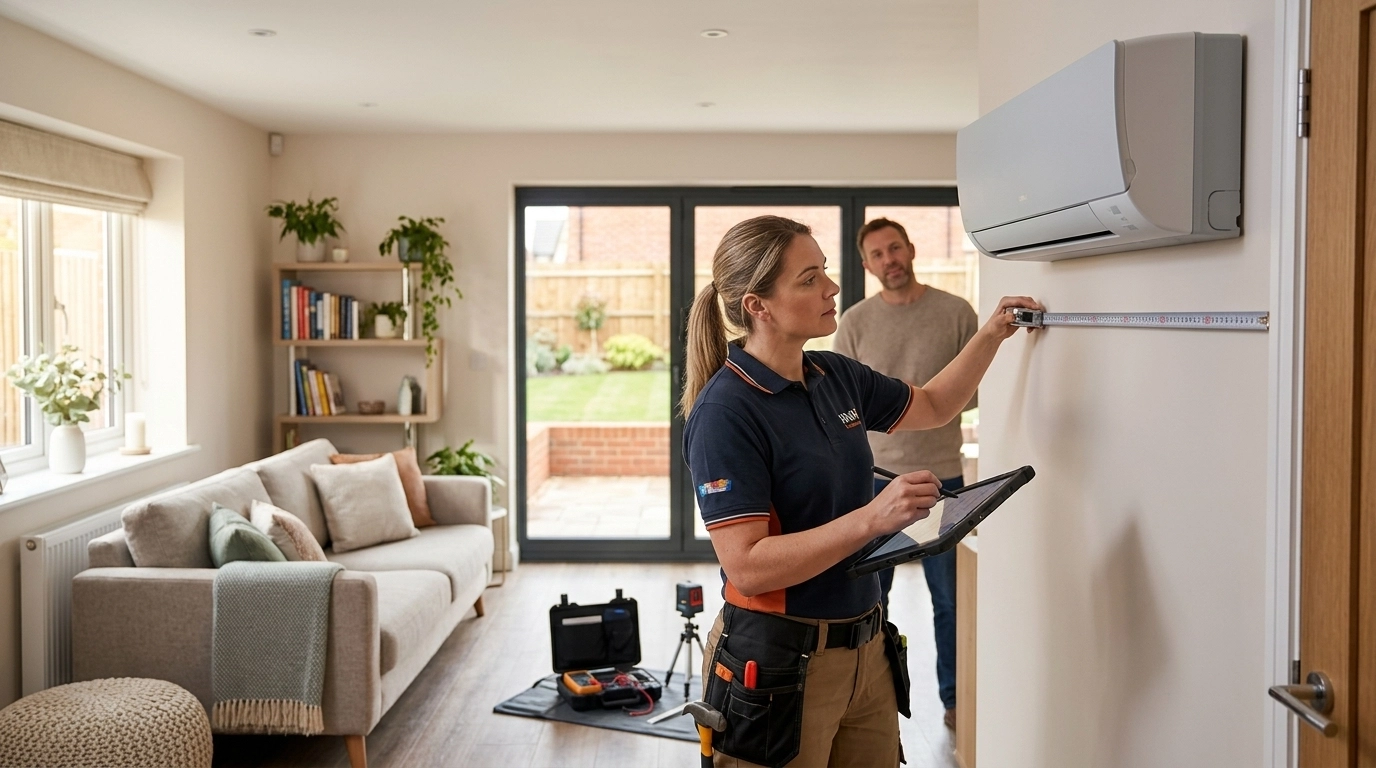
Short cycling is bad for two reasons. First, it places immense strain on the compressor, leading to early mechanical failure. Second, the unit doesn’t run long enough to properly dehumidify the air, leaving your room feeling “clammy” rather than crisp and cool. Conversely, an undersized unit will run constantly, struggling to reach the target temperature and sending your electricity bills skyrocketing.
Getting the British Thermal Units (BTU) calculation right is essential. A professional installer from C & D Heating and Cooling Services Ltd will look at your room’s square footage, window sizes, and even the direction the room faces to ensure your ac unit installation is perfectly tailored to your space.
3. The “Deep Freeze” Temperature Myth
We’ve all done it: you come home to a sweltering house, grab the remote, and immediately set the air conditioning to 16°C in the hopes it will cool the room down faster.
Unfortunately, that isn’t how air conditioners work. Most systems operate at a single speed (or a managed range in modern inverter models). Setting the thermostat to a lower temperature doesn’t make the air coming out any colder; it simply tells the unit to keep running until it reaches that (often unachievable) temperature.
This mistake leads to unnecessary wear and tear on the system and significantly higher energy consumption. Instead, set the thermostat to a comfortable 21°C or 22°C. Your home will reach this temperature just as quickly, and your unit won’t be under nearly as much stress.
4. Neglecting Filter Maintenance
Your air conditioner’s filters are its first line of defence against dust, pollen, and pet dander. Over time, these filters become clogged, which restricts airflow. When airflow is restricted, the system has to work much harder to pull air through, which can cause the internal coils to freeze over or the motor to overheat.
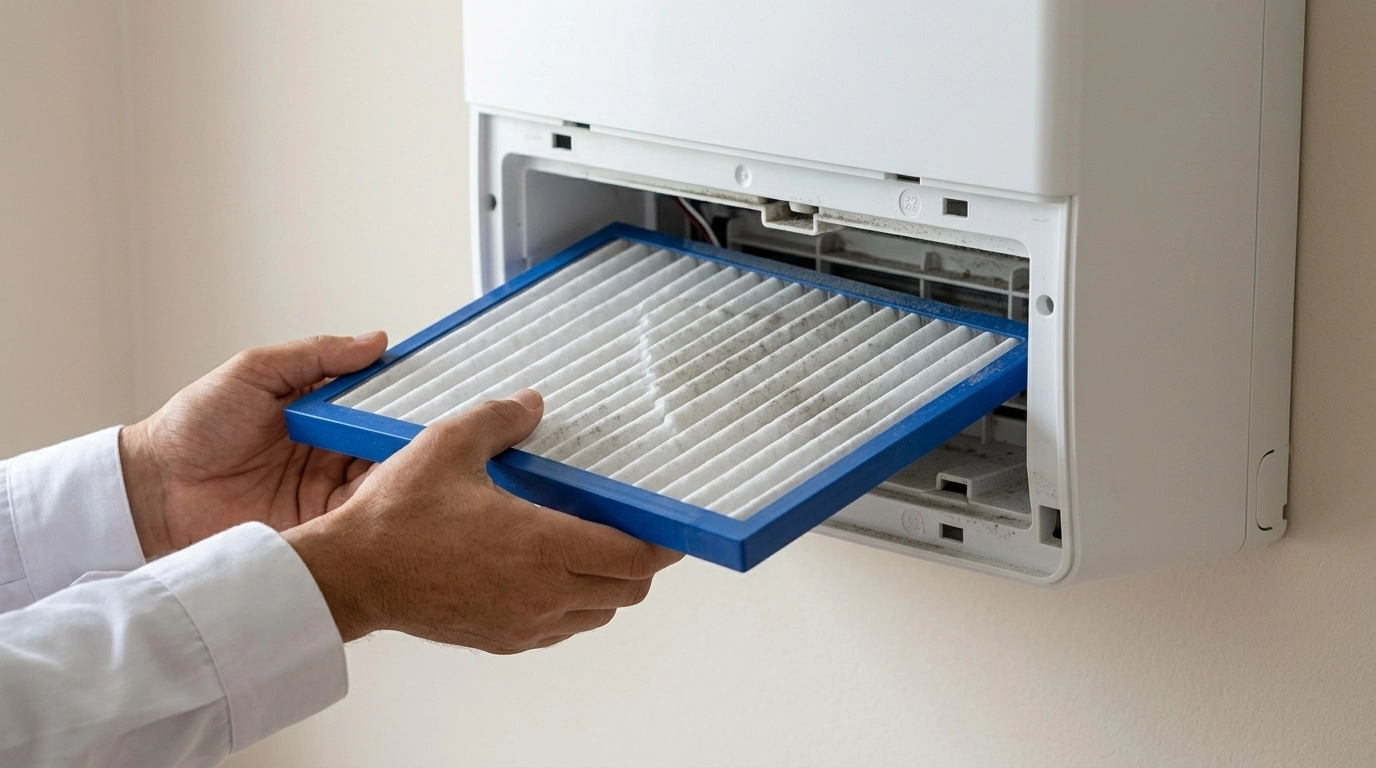
In the UK, where we might only use our AC heavily for a few months of the year, it’s easy to forget about the filters. However, even during periods of light use, dust accumulates. You should aim to check your filters once a month during the summer. Many modern units have reusable filters that can be gently vacuumed or rinsed with water. Keeping them clean is the simplest way to maintain high air quality and system efficiency between professional air conditioning service visits.
5. Ignoring the Outdoor Unit
The outdoor condenser unit is the “lungs” of your system. It’s responsible for dispelling the heat pulled from inside your home. Because it lives outside, it is at the mercy of the elements. It’s common for homeowners to allow garden debris, such as fallen leaves, grass clippings, or overgrown shrubs, to crowd the unit.
For the outdoor unit to work effectively, it needs at least one metre of clear space on all sides. If the airflow is blocked, the heat cannot escape, and the unit will struggle to cool your home. During your garden maintenance, take a moment to ensure no plants are encroaching on the unit and that no rubbish has blown against the fins. If the fins are visibly dirty, don’t attempt to scrub them yourself, as they are very fragile; instead, mention it during your next scheduled service.
6. Running the AC with Windows and Doors Open
It sounds obvious, but you’d be surprised how often people leave a window “cracked” for a bit of fresh air while the air conditioning is running. This essentially forces your AC unit to try and cool the entire neighbourhood.
The efficiency of an air conditioner relies on a sealed environment. When you leave doors or windows open, the cooled air escapes, and warm, humid air rushes in. This creates a constant battle that your unit cannot win, leading to a system that never rests and a utility bill that never drops. If you need fresh air, it’s better to turn the AC off for an hour, ventilate the room, and then close everything up before turning the system back on.
7. Thinking DIY is Always Best
In the age of YouTube tutorials, it’s tempting to try and fix or install an air conditioner yourself. However, AC systems involve high-voltage electricity and pressurized refrigerants (F-Gases). In the UK, it is actually a legal requirement that anyone working on the refrigerant circuit of an air conditioning system must be F-Gas certified.
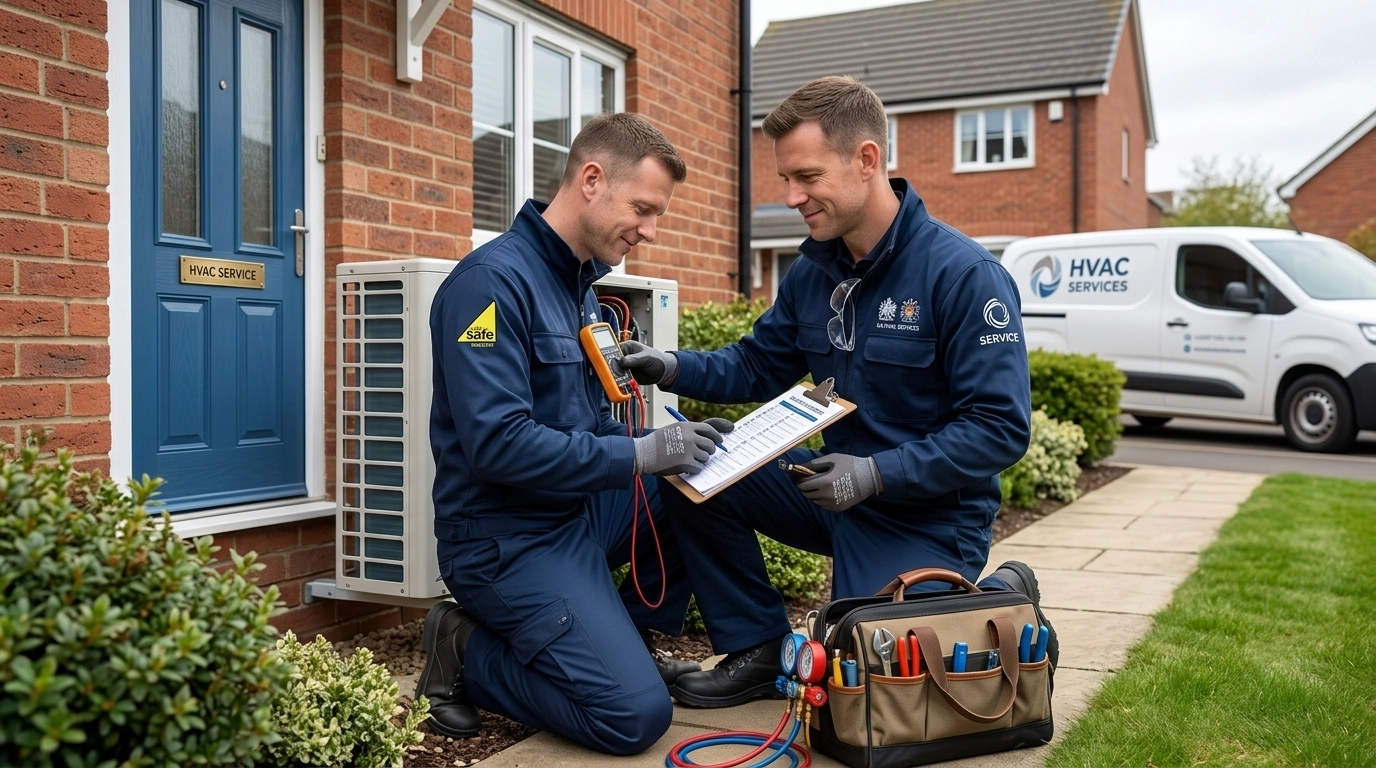
Attempting a DIY repair or installation not only risks your safety but can also lead to:
- Voided Warranties: Manufacturers will not honour a warranty if the system wasn’t installed or repaired by a certified professional.
- Refrigerant Leaks: Improperly sealed joints can lead to slow leaks, which are harmful to the environment and degrade your system’s performance.
- Incorrect Wiring: Faulty electrical work is a major fire hazard.
Trusting the experts at C & D Heating and Cooling Services Ltd ensures that your ac unit installation is handled safely, legally, and efficiently.
Conclusion
Your air conditioning system is an investment in your home’s comfort and your family’s well-being. By avoiding these seven common mistakes: especially by staying on top of your air conditioning service and ensuring a professional ac unit installation: you can enjoy a cool, comfortable home without the stress of unexpected breakdowns or astronomical bills.
Don’t wait for the next heatwave to find out your system isn’t up to the task. Whether you need a routine check-up or are looking to install a brand-new system, we are here to help.
Ready to get your system in top shape? Contact C & D Heating and Cooling Services Ltd today to book your annual service or request a quote for a new installation. Let’s keep you cool all summer long!